The Never-Sleeping Marketplace
At 2:47 AM on a Tuesday morning, Dr. Sarah Chen's dental practice in Birmingham receives its third appointment booking of the night. By dawn, seventeen potential patients have submitted enquiry forms, two have purchased teeth-whitening kits from the integrated e-commerce section, and the automated chatbot has answered forty-three questions about opening hours, insurance acceptance, and treatment options.
Meanwhile, across the city, competitor Dr. Michael Roberts sleeps peacefully, unaware that his static website is turning away dozens of potential patients who find only a phone number and a promise to "call during office hours." By morning, these prospects have already booked elsewhere.
This scenario plays out thousands of times daily across Britain, highlighting a fundamental divide between SMEs that embrace their website as an active business asset and those treating it as an expensive digital business card.
The Cost of Digital Dormancy
British consumer behaviour has fundamentally shifted. We research restaurants at midnight, book holidays during lunch breaks, and expect immediate responses to business enquiries regardless of the hour. For SMEs operating traditional 9-to-5 models, this represents a massive opportunity cost.
Consider the mathematics of missed opportunities. A typical British SME website receives 60% of its traffic outside conventional business hours. Without automated systems to capture this interest, businesses are essentially closing their doors to the majority of potential customers. It's equivalent to running a high street shop that's only open when customers are at work.
London-based marketing consultant Emma Richardson learned this lesson painfully. "I was losing enquiries every weekend," she recalls. "Potential clients would visit my site, find no way to book consultations or get immediate information, then contact competitors who had online booking systems. I was literally sleeping through revenue opportunities."
The installation of automated booking widgets, email capture forms, and an intelligent FAQ system transformed her business overnight. "Within three months, 40% of my new clients were booking outside office hours. The automation paid for itself within six weeks."
Beyond Basic Contact Forms
Many British SMEs believe they've embraced automation by adding contact forms to their websites. However, this represents merely the first step in a comprehensive automation strategy. Modern website automation encompasses appointment booking, live chat support, e-commerce functionality, lead nurturing sequences, and intelligent customer service.
Take Yorkshire-based plumbing firm Hartwell & Sons, which transformed from a traditional call-out service to a sophisticated automated operation. Their website now features emergency booking systems, diagnostic tools that help customers identify common problems, automated quote calculators, and a comprehensive parts ordering system.
"Previously, customers had to call during office hours, wait for callbacks, and book appointments through lengthy phone conversations," explains director Tom Hartwell. "Now they can book emergency callouts at 3 AM, order spare parts instantly, and get immediate cost estimates. Our customer satisfaction scores increased 40% whilst reducing administrative overhead by half."
The transformation extended beyond mere convenience. Automated systems capture detailed customer information, enabling targeted follow-up campaigns, preventive maintenance reminders, and personalised service recommendations. What began as simple booking automation evolved into a comprehensive customer relationship management system.
The Chatbot Revolution for British Business
Intelligent chatbots represent perhaps the most transformative automation technology for British SMEs. Unlike their clunky predecessors, modern chatbots can handle complex enquiries, guide customers through purchasing decisions, and seamlessly transfer complex issues to human staff during business hours.
Brighton-based wedding venue The Grand Pavilion implemented a sophisticated chatbot that answers common questions about availability, pricing, catering options, and booking procedures. The system handles 80% of initial enquiries automatically, qualifying leads before human intervention becomes necessary.
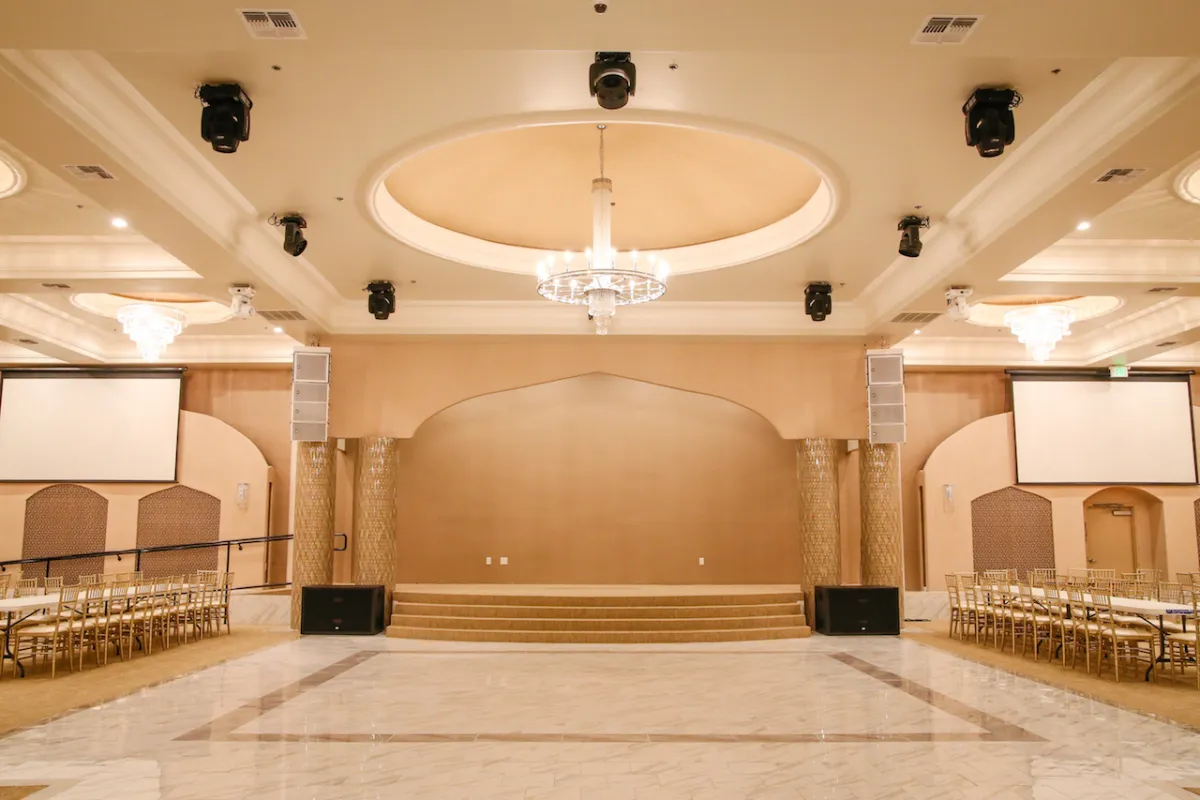 Photo: The Grand Pavilion, via grandpavilionbanquethall.com
"Couples typically research venues in the evening after work," notes venue manager Patricia Holmes. "Our chatbot can instantly provide availability, send photo galleries, calculate rough pricing, and even schedule viewing appointments. By morning, our sales team has qualified leads ready for detailed discussions rather than starting from scratch."
The system's sophistication extends to understanding context and emotional nuance. When couples mention tight budgets, the chatbot suggests off-peak dates and budget-friendly packages. For luxury enquiries, it highlights premium services and exclusive options. This level of personalisation was previously impossible without dedicated night-shift staff.
E-commerce Integration: The Always-Open Shop
For product-based businesses, e-commerce integration transforms websites from brochures into revenue-generating assets. British consumers increasingly expect to purchase immediately upon discovering products, regardless of the hour or day.
Cornish artisan chocolatier Sweet Harmony discovered this reality when expanding beyond farmers' markets. "We were getting website visitors throughout the week, but they couldn't buy anything," explains founder Jessica Trelawny. "People would visit, love our products, then forget about us by the time our market stall reopened."
Implementing e-commerce functionality with automated inventory management, payment processing, and order fulfilment transformed the business model. "Within six months, online sales exceeded our market stall revenue. We're now selling to customers across Britain who discovered us at 2 AM and ordered immediately."
The automation extends beyond simple purchasing. Intelligent recommendation engines suggest complementary products, abandoned cart recovery systems recapture hesitant buyers, and automated email sequences nurture customer relationships long after initial purchases.
Lead Nurturing: The Long Game of Automation
Sophisticated British SMEs understand that automation extends beyond immediate transactions to long-term relationship building. Automated email sequences, triggered by specific website behaviours, can nurture prospects over months or years until they're ready to purchase.
Manchester-based business consultancy Pinnacle Growth uses behavioural triggers to deliver personalised content sequences. Visitors downloading their "Digital Transformation Guide" receive a carefully crafted series of case studies, industry insights, and success stories over twelve weeks.
"Not every visitor is ready to hire consultants immediately," notes director Andrew Mills. "But by providing ongoing value through automated sequences, we stay top-of-mind until they need our services. Our conversion rate from initial website visit to paid consultation increased 300% after implementing nurture automation."
Implementation Strategy for British SMEs
Successful automation requires strategic planning rather than ad-hoc implementation. British SMEs should begin by identifying their most common customer enquiries and time-sensitive business processes. These represent prime automation opportunities with immediate ROI potential.
Start with appointment booking systems for service-based businesses, or e-commerce functionality for product retailers. Gradually expand to include chatbots, lead nurturing sequences, and advanced customer relationship management features.
Crucially, automation should enhance rather than replace human interaction. The goal is enabling staff to focus on complex, high-value activities whilst automated systems handle routine enquiries and transactions.
The Competitive Advantage
In an increasingly digital marketplace, British SMEs that embrace comprehensive website automation gain significant competitive advantages. They capture more leads, serve customers more efficiently, and build stronger relationships through consistent, personalised interactions.
More importantly, they're building businesses that work as hard at midnight as they do at midday. In Britain's always-on economy, that's not just convenient—it's essential for survival.